220
00DH
300.00 DH
-27%
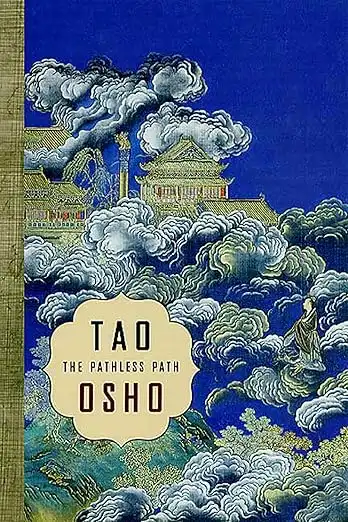
Tao: The Pathless Path - Osho
Livraison
DétailsFrais de livraison à partir de :
Livraison entre le Lundi 22 juin 2026 et le Mardi 23 juin 2026
À propos de cet article :
Marque : GENERIC
Vendu par HEAVENBOOKS.MA
Plongez dans la sagesse ancienne avec « Tao: The Pathless Path », où le maître spirituel Osho propose une interprétation contemporaine et vivante de cinq paraboles du maître taoïste Leih Tzu. À travers ces récits, l'auteur explore les contrastes entre le rationnel et l'irrationnel, le structuré et le spontané, tout en invitant le lecteur à se libér...
Partagez ce produit
1
Mode de paiement
Paiement par carte bancaire
Carte marocaines
Paiement à la livraison
Paiement en espèce à la livraison
Politique de retours
Note de politique de retour
 Produits 100% authentiques
 Livraison partout au Maroc
 Satisfait ou remboursé
 Offre nationale et internationale
Description produit
- Marque
- GENERIC
- Titre principal
- Tao: The Pathless Path
- Editeur
- Renaissance Books
- Type de produit
- Paperback
- Présentation du livre
- Paperback
- Release date
- 2/23/2002 12:00:00 AM
- Langue d'origine
- English
- ISBN
- 1580632254
- Dimensions
- 5.5 x 0.46 x 8.25 inches
- Nombre de pages de livre
- 192 pages
- Langue - Librairie
- English
- Résumé
- In Tao: The Pathless Path, Osho, one of the greatest spiritual teachers of the twentieth century, comments on five parables from the Leih Tzu, bringing a fresh and contemporary interpretation to the ancient wisdom of Tao. Leih Tzu was a well-known Taoist master in the fourth century B.C., and his sly critiques of a Confucius provide abundant opportunities for the reader to explore the contrasts between the rational and irrational, the male and female, the structured and the spontaneous.“Who Is Really Happy” uses the discovery of a human skull on the roadside to probe into the question of immortality and how misery arises out of the existence of the ego.“A Man Who Knows How to Console Himself” looks beneath the apparent cheerfulness of a wandering monk and asks if there is really a happi*ess that endures through life’s ups and downs.“No Regrets” is a parable about the difference between the knowledge that is gathered from the outside and the “knowing” that arises from within.“No Rest for the Living” uses a dialogue between a despondent seeker and his master to reveal the limits of philosophy and the crippling consequences of living for the sake of some future goal. “Best Be Still, Best Be Empty” discusses the difference between the path of the will, the via affirmitiva of Christianity, Judaism, and Islam, versus the path of the mystic, the via negativa of Buddha and Lao Tzu.Tao: The Pathless Path also features a Q&A section that addresses how Taoist understanding applies to everyday life in concrete, practical terms.Osho challenges readers to examine and break free of the conditioned belief systems and prejudices that limit their capacity to enjoy life in all its richness. He has been described by the Sunday Times of London as one of the “1000 Makers of the 20th Century” and by Sunday Mid-Day (India) as one of the ten people―along with Gandhi, Nehru, and Buddha―who have changed the destiny of India. Since his death in 1990, the influence of his teachings continues to
- Auteur(s)
- Osho Osho
- Date de parution
- 2/23/2002 12:00:00 AM